

EmoMonte
Affective Engine
From recognizing emotion · to expressing it
China's first end-to-end emotional voice agent — built on the “end-to-end simulation + Monte-Carlo pruning” paradigm. Machines move from recognizing emotion to expressing it, evolving from chat tools into warm, present companions.


Architecture comparison
Unlike traditional cascades or bolt-on ASR+LLM+TTS pipelines, LANCUN takes an end-to-end native-fusion path — simulation plus pruning.
Route A · Cascade
Route B · ASR+LLM+TTS
LANCUN · End-to-end simulation + pruning
- Unified speech-policy-emotion optimization
- Optimize interaction steps and task completion rate
- Emotion and policy aligned
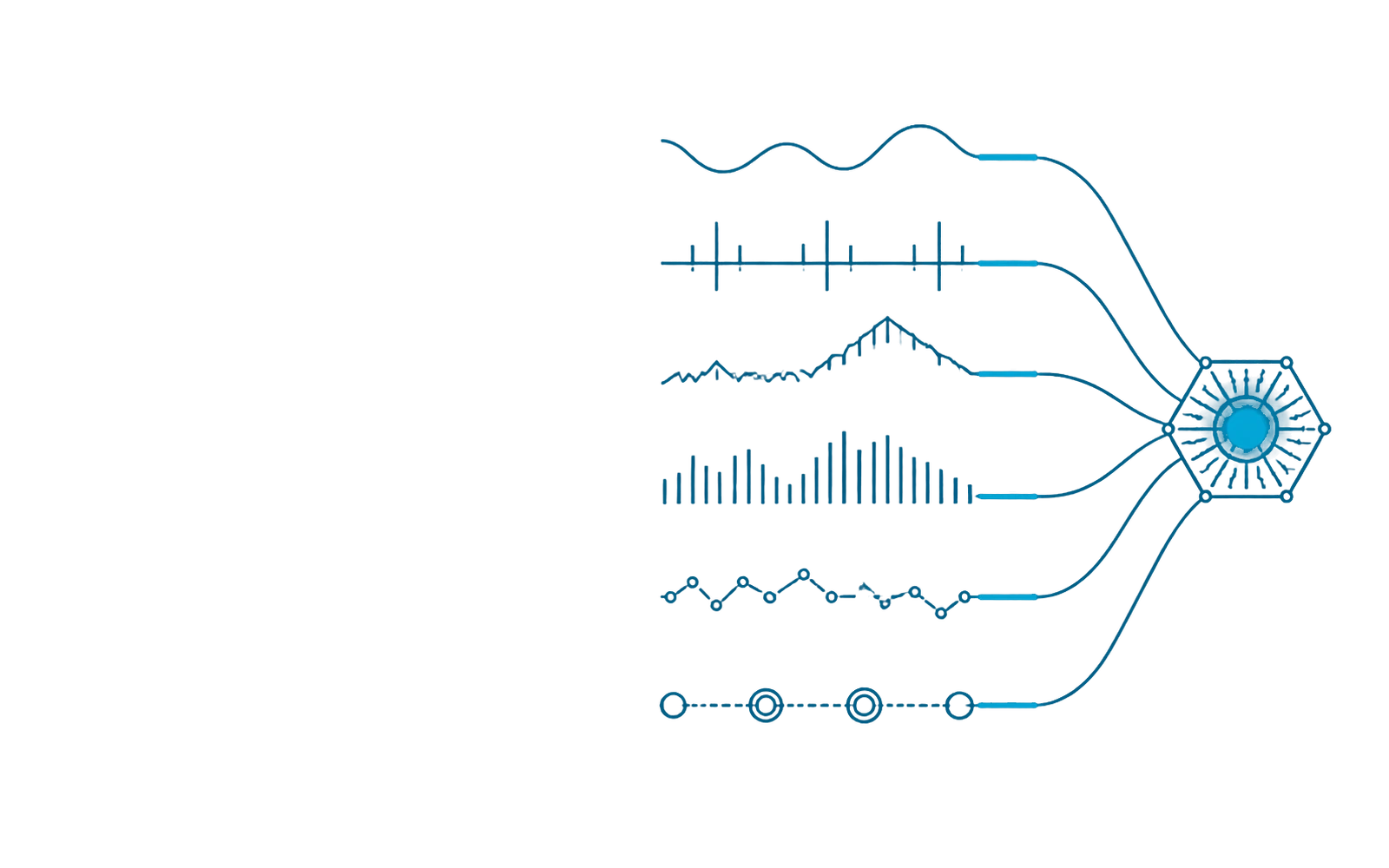
Six core capabilities
From recognition to expression · from perception to generation · from chat tool to companion
Emotion recognition
50 kindsCombines voice, language, and paralinguistic cues to read the user's emotional state — full spectrum from basic emotions (joy / anger / sadness / happiness) to complex ones (anxiety, anticipation, hesitation, relief).
Emotion expression
17 kindsAI expresses 17 emotions on its own — not just by synthesizing different tones, but by embedding emotion into semantics, rhythm, pauses and stress, giving conversation warmth, range, and realism.
Dialog latency
300 msAn end-to-end voice architecture, device-side pre-processing, and a low-latency cloud routing layer push overall dialog latency down to 300 ms — natural conversational rhythm.
Voiceprint analysis
Voiceprint quickly distinguishes who's speaking and their state, removing redundant recognition and emotion inference — and enabling differentiated strategies across multiple speakers and roles.
Full-duplex voice
Supports interruption, addition, and correction at any point in the dialogue — the model listens and speaks at the same time, leaving walkie-talkie turn-taking behind for human-like conversation.
Paralinguistic cues
Recognizes sighs, laughter, hesitation, and breathing rhythm — non-verbal signals — and weaves these “human” details back into expression so the AI doesn't just answer but actually converses.

A decade of industry depth · shipped know-how
From cascade-era LSTM-CTC to end-to-end multimodal LLMs — the LANCUN team lived through and contributed to the full evolution of speech tech.